
For many dentists, the daily reality is a fully booked schedule, a busy team, and a feeling of constant motion. Yet, at the end of the month, the financial and personal rewards often don’t match the effort expended. This gap between being busy and being truly successful defines the modern challenge of dental practice ownership.
Success is no longer measured solely by clinical output, but by sustainable profitability, a thriving team culture, exceptional patient experiences, and personal fulfillment. Moving from a reactive, chair-centric operation to a proactive, strategically-led business requires a shift in mindset and systems.
This is where specialized dental coaching and consulting provide transformative value. Unlike generic business advice, high-level dental practice coaching is tailored specifically to the unique clinical, operational, and financial realities of running a dental practice, providing dentists nationwide with the roadmap to build not just a busy practice, but a thriving enterprise.
Table of Contents
Key Takeaways (TL;DR)
- Strategic vs. Tactical Focus: Dental coaching shifts your focus from daily operations to long-term strategy, moving beyond being busy to building a sustainable, profitable practice.
- Specialized Business Expertise: Unlike generic consulting, dental practice coaching addresses the unique clinical-business intersection of dentistry, from startup planning to multi-practice expansion.
- Comprehensive Service Spectrum: Effective coaching covers practice startups, in-office production training, team leadership development, transition planning, and multi-location ownership strategies.
- Measurable ROI: The right coaching delivers tangible returns through increased production, improved team retention, reduced overhead, and successful practice transitions or expansions.
- Nationwide Accessibility: Quality dental practice consulting is available to dentists across the United States, with options ranging from virtual coaching to on-site, personalized training programs.
What Does a Dental Practice Consultant or Dental Coach Actually Do?
A dental practice consultant serves as both a strategic advisor and an implementable systems expert specifically for the dental industry. They bridge the gap between clinical excellence and business optimization by focusing on the unique operational, financial, and leadership challenges that dental practices face.
Next Section: “How Can Dental Coaching Transform Your Practice from Busy to Thriving?” would continue here, covering the differences between busy and thriving practices with comparison tables, statistics, and actionable insights.
How Can Dental Coaching Transform Your Practice from Busy to Thriving?
The distinction between a busy dental practice and a thriving one lies in sustainable systems, predictable profitability, and purposeful growth. While a busy practice may have full chairs, a thriving practice has optimized systems that maximize production, enhance patient experience, and build long-term value. Dental coaching facilitates this transformation through targeted interventions.
Table 1: Key Differentiators Between Busy and Thriving Dental Practices
According to dental industry benchmarks, thriving practices typically demonstrate 20-40% higher net income than similarly sized “busy” practices, despite comparable patient volumes. This efficiency gap is directly addressable through structured coaching focused on:
- Production Optimization: Analyzing and improving clinical time utilization, case acceptance, and fee schedules.
- Operational Systems: Implementing standardized protocols for scheduling, billing, and patient communication.
- Financial Management: Establishing key performance indicators (KPIs) and regular financial reviews.
- Strategic Planning: Moving beyond day-to-day operations to plan for growth, expansion, or transition.
Key Insight: The transition from busy to thriving isn’t about working harder—it’s about working smarter with systems that create predictable results. A dental coach provides the external perspective and industry-specific expertise to identify and implement these systems effectively.
Dental Practice Growth Programs: Strategic Pathways for Expansion
Growth in modern dentistry requires more than just adding new patients; it demands strategic expansion of services, team capabilities, and practice efficiency. Dental practice growth programs provide structured pathways for dentists to scale their operations, whether through increased production, expanded services, or multi-location ownership.
Common Growth Program Focus Areas
Production Training
In-office coaching to increase clinical efficiency and case acceptance rates
Business Optimization
Systems for scheduling, billing, inventory, and overhead management
Team Development
Leadership training and team communication systems
Strategic Expansion
Planning for multi-practice ownership or service line expansion
Industry data shows that practices engaging in structured growth programs typically see measurable improvements within 3-6 months, including:
- 15-30% increase in monthly production through optimized scheduling and case acceptance systems
- Reduced staff turnover by 40-60% through improved leadership and team development
- 10-20% reduction in overhead through operational efficiency improvements
- Improved practice valuation for eventual transition or sale through documented systems and financial performance
Effective growth programs combine continuing education (CE) with practical, hands-on implementation. They move beyond theory to provide dentists with actionable strategies tailored to their specific practice goals and market conditions.
Next Section: “The First Step: Navigating Dental Startup Consulting and Planning” will cover the step-by-step process of starting a new dental practice, including location analysis, business planning, and launch strategies.
The First Step: Navigating Dental Startup Consulting and Planning
Starting a dental practice from scratch represents one of the most significant professional and financial commitments a dentist can make. Dental startup consulting provides the specialized guidance needed to navigate this complex process efficiently, avoid costly mistakes, and establish a practice positioned for long-term success from day one.
What is Involved in Starting a New Dental Practice?
The process of launching a dental practice typically follows these key steps:
- Market Analysis & Location Selection: Evaluating demographic data, competition, and growth potential in target areas to identify optimal practice locations.
- Comprehensive Business Planning: Developing detailed financial projections, operational plans, and marketing strategies specific to dental practice economics.
- Legal & Regulatory Compliance: Navigating state dental board requirements, business entity formation, OSHA, HIPAA, and local zoning regulations.
- Facility Design & Equipment Selection: Planning efficient clinical workflows, selecting appropriate dental technology, and managing build-out logistics.
- Financial Structuring & Funding: Securing practice financing, establishing banking relationships, and creating sustainable cash flow projections.
- Team Building & Systems Development: Hiring and training initial staff, implementing practice management software, and establishing operational protocols.
- Pre-Opening Marketing & Patient Acquisition: Developing brand identity, creating marketing materials, and implementing patient attraction strategies before opening.
Dental startup consultants specializing in practice launches bring invaluable expertise to each phase, having navigated these challenges multiple times across different markets. Their guidance helps new practice owners avoid common pitfalls such as:
- Underestimating startup costs by 20-40%, which can strain cash flow during critical early months
- Choosing suboptimal locations based on personal preference rather than market data
- Inefficient space planning that limits production capacity or requires costly renovations later
- Delayed profitability due to inadequate patient acquisition planning and systems
Typical Dental Practice Startup Timeline
(2-4 months)
(4-8 months)
(1-2 months)
Note: Timeline varies based on location, construction complexity, and regulatory requirements
The most successful dental startups recognize that proper planning and expert guidance during the pre-opening phase directly correlates with faster profitability, typically reaching break-even within 12-18 months rather than the industry average of 24-36 months for unguided startups.
Optimizing the Established Practice: In-Office Training and Systems Consulting
For established dental practices, growth often plateaus not due to lack of clinical skill or patient demand, but because of operational inefficiencies and outdated systems. In-office training provides hands-on, personalized coaching that addresses specific practice challenges directly within your clinical environment.
Table 2: Impact of In-Office Dental Practice Training
According to data from practices implementing structured in-office training programs, measurable improvements typically include:
- 15-25% increase in monthly production within the first 90 days of implementation
- 30-50% reduction in accounts receivable aging through improved financial systems
- 40-60% decrease in daily administrative questions to the dentist or practice owner
- Significant reduction in owner stress through delegation and systematic operations
What Most Practices Miss: The highest return on investment from in-office training often comes not from dramatic changes, but from systematically addressing small inefficiencies across multiple areas of the practice. A 5% improvement in scheduling, case acceptance, collections, and team efficiency can collectively increase net income by 20-30%.
Effective in-office consulting moves beyond generic advice to provide customized solutions based on direct observation of your practice’s unique dynamics, team interactions, and workflow patterns. This personalized approach ensures that implemented systems are sustainable and aligned with your practice culture and goals.
Next Section: “Leading for Growth: Dentist Leadership and Dental Team Development” will cover leadership training, team communication systems, and creating a practice culture that supports sustainable growth.
Leading for Growth: Dentist Leadership and Dental Team Development
The transition from clinical dentist to practice leader represents one of the most challenging shifts in professional development. Dental leadership training addresses this gap by providing dentists with the skills to lead effectively, build high-performing teams, and create a practice culture that drives sustainable growth.
What is the Best Leadership Training for Dental Practices?
The most effective dental leadership training combines business management principles with the unique dynamics of healthcare environments. It focuses on developing skills in communication, delegation, team development, and strategic planning specifically tailored to dental practice settings.
Core Leadership Competencies for Dental Practice Owners
Strategic Communication
Clear vision sharing, effective meetings, and constructive feedback systems
Team Development
Hiring, training, and retaining high-performing dental team members
Systems Delegation
Creating accountable systems that operate without constant oversight
Cultural Leadership
Building practice values that align team behavior with practice goals
Dental practices with strong leadership systems typically experience significantly better outcomes across multiple metrics:
- 50-70% lower staff turnover compared to industry averages, reducing recruitment and training costs
- 30-40% higher team productivity through clear expectations and effective communication
- Improved patient satisfaction scores as team consistency enhances patient experience
- Greater practice valuation for transition or sale due to documented leadership systems
How Can Dentists Train Their Team to Increase Production?
Effective dental team training focuses on developing specific competencies that directly impact practice performance. Unlike generic team-building activities, production-focused training addresses concrete skills in scheduling, case presentation, patient communication, and clinical coordination.
Leadership Insight: The most successful dental practices invest in leadership development not as an optional expense, but as a core operational requirement. Effective leadership creates the foundation upon which all other practice systems—scheduling, case acceptance, team performance—can be built and sustained.
Dental-specific leadership programs recognize that dentists often transition into management roles without formal business training. These programs provide practical frameworks for decision-making, conflict resolution, and strategic planning that align with both clinical excellence and business objectives.
Navigating Change: Dental Practice Transition and Multi-Location Ownership Coaching
Practice transitions—whether buying, selling, merging, or expanding to multiple locations—represent critical inflection points in a dentist’s career. Specialized transition consulting provides the strategic guidance needed to navigate these complex processes while maximizing value and ensuring continuity of care.
How Do Dental Practice Transitions Work?
Dental practice transitions involve a structured process of valuation, negotiation, due diligence, and integration. Whether through associate buy-ins, outright purchases, or partnership formations, successful transitions require careful planning and industry-specific expertise.
Five-Phase Dental Practice Transition Process
Strategic Assessment & Goal Definition
Clarifying transition objectives, timeline, and success criteria for both parties
Practice Valuation & Financial Analysis
Comprehensive evaluation of practice performance, assets, and market position
Structuring & Negotiation
Developing transaction terms, financing options, and transition timelines
Due Diligence & Legal Documentation
Verifying practice information and finalizing legal agreements
Integration & Transition Management
Implementing patient, team, and operational transition plans
Multi-Practice Dental Ownership: Scaling Your Professional Impact
Expanding to multiple practice locations requires a fundamentally different approach than managing a single office. Multi-practice ownership coaching provides the frameworks for scalable systems, delegated leadership, and financial management across multiple locations.
- Scalable Operational Systems: Developing protocols that work consistently across different practice locations and team cultures
- Delegated Leadership Structures: Building management teams capable of running locations with limited owner involvement
- Financial Consolidation & Analysis: Managing cash flow, profitability, and investment across multiple entities
- Growth Strategy & Acquisition Planning: Identifying expansion opportunities and executing successful practice acquisitions
Industry Insight: Dental practices that undergo structured transition planning typically achieve 15-25% higher valuations than those navigating transitions without expert guidance, while also experiencing smoother operational continuity.
Whether planning for eventual practice sale, considering expansion through acquisition, or structuring partnership opportunities, dental transition consulting provides the specialized expertise needed to navigate these career-defining decisions while protecting practice value and ensuring optimal outcomes.
Next Section: “Conclusion: Investing in Your Practice’s Future with Focused Dental Coaching” will summarize key takeaways and provide actionable next steps for dentists considering practice coaching.
Conclusion: Investing in Your Practice’s Future with Focused Dental Coaching
The journey from a busy dental practice to a thriving enterprise requires more than clinical excellence alone. It demands strategic business thinking, effective leadership, scalable systems, and proactive planning—competencies that dental-specific coaching is uniquely positioned to develop. As the dental industry continues to evolve, the practices that will thrive are those that recognize business optimization as essential to clinical success.
The Unique Value of Specialized Dental Coaching
Unlike generic business consulting, high-level dental practice coaching combines industry-specific expertise with personalized implementation support. This dual focus—understanding both the clinical realities of dentistry and the business principles of practice management—creates transformative results that generic advisors cannot replicate.
- Dentist-Exclusive Focus: Programs designed specifically for dental professionals, addressing unique clinical-business intersections
- Hands-On Implementation: On-site training and coaching that moves beyond theory to practical application
- Comprehensive Service Spectrum: From startup planning to multi-practice expansion, addressing all stages of practice development
- Nationwide Accessibility: High-touch coaching available to dentists across the United States through both virtual and in-person formats
Next Steps for Practice Growth
To understand the specific systems and strategies that can transform your practice performance, explore detailed overviews of practice optimization frameworks and implementation roadmaps.
Strategic guidance begins with understanding the step-by-step process of practice transformation.
Key Practice Transformation Principles
Systems Over Sweat
Sustainable growth comes from repeatable systems, not heroic individual effort. Documented processes create consistency and scalability.
Lead, Don’t Just Manage
Effective practice ownership requires leadership development—inspiring teams toward shared goals rather than simply overseeing daily tasks.
Measure to Manage
Key performance indicators (KPIs) provide the data needed for informed decision-making and continuous practice improvement.
The decision to invest in dental practice coaching represents a commitment to professional growth, practice excellence, and long-term success. By partnering with experts who understand both the clinical art and business science of dentistry, practice owners nationwide are transforming their operations, increasing their impact, and building legacies that extend far beyond the treatment chair. The most successful dental practices recognize that continuous improvement applies not only to clinical skills but equally to business acumen and leadership development.
Sources & References
- American Dental Association (ADA) Practice Management Resources
- Dental Industry Production & Profitability Benchmarks (2020-2024)
- Practice Transition & Valuation Data from Dental Brokerage Networks
- Multi-Practice Ownership Studies in Healthcare Management
- Dental Team Retention & Leadership Development Research
- Practice Startup Success Rate Analysis (Dental-specific)
Last reviewed: December 2025 | Data reflects current dental industry benchmarks and practice management standards
People Also Search For
- How to choose the right dental practice consultant
- Dental startup costs vs. established practice acquisition
- Average ROI for dental practice coaching programs
- Multi-practice ownership vs. single location expansion
- Dental practice valuation methods and benchmarks
- Team training programs for dental practice growth
About the Authors
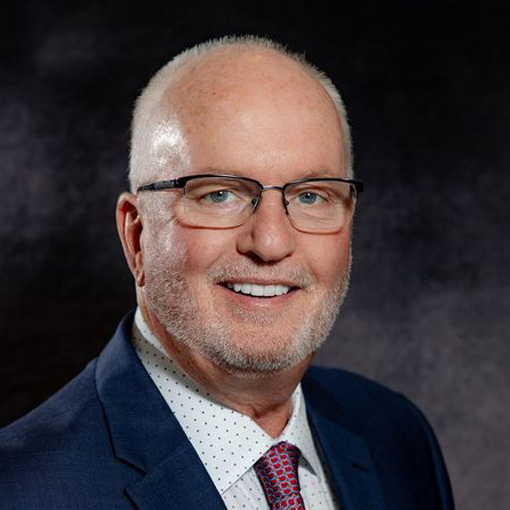
Dr. Anthony S. Feck
With over 15 years of experience in dental practice ownership and consulting, Dr. Feck specializes in practice growth strategies, startup planning, and multi-location expansion. His expertise combines clinical dental knowledge with advanced business management principles, helping dentists nationwide transform their practices into thriving enterprises.
As a co-founder of Sunrise Dental Solutions, Dr. Feck has guided hundreds of dental practices through successful transitions, operational optimizations, and strategic growth initiatives, establishing himself as a trusted authority in dental practice management consulting.
Dr. Jodi Danna
Dr. Danna brings extensive experience in dental team development, leadership training, and practice operational systems. Her focus on creating sustainable practice cultures and effective team communication has helped numerous dental practices achieve significant improvements in team retention, patient satisfaction, and practice performance.
With a background in both clinical dentistry and practice management education, Dr. Danna provides unique insights into the intersection of clinical excellence and business optimization, making her a sought-after expert for practices seeking to enhance their operational efficiency and team dynamics.
Authors’ Note: This article draws from our collective experience working with dental practices across the United States, incorporating industry benchmarks, practice management research, and real-world implementation results observed in dental practices of various sizes and specialties.