
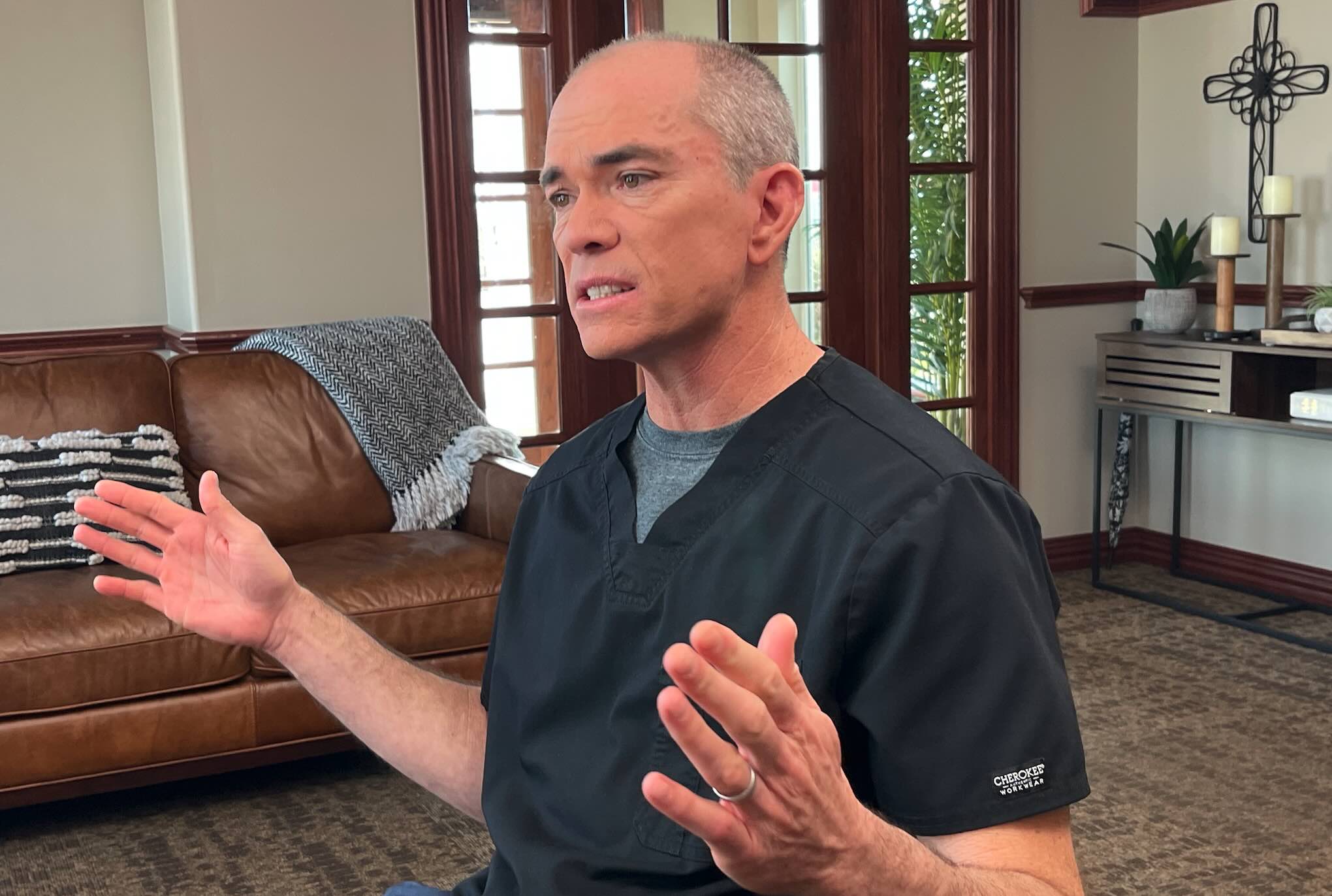
Dental scheduling determines practice productivity, team morale, and patient satisfaction more than any other operational system. A poorly designed schedule creates unpredictable revenue, doctor burnout, higher cancellation rates, and team inefficiency, while an intentional schedule aligns with practice goals and creates a smooth, balanced day for the entire team [citation:4].
Sunrise Dental Solutions serves dentists and dental practices nationwide from its Lexington, KY headquarters, providing operations consulting that transforms chaotic schedules into predictable, profitable systems. The most successful practices treat scheduling as a strategic function rather than an administrative afterthought.
This guide builds on the foundation established in Dental Operations Systems and The Proactive Dentist’s Guide, showing you exactly how to build a schedule that eliminates downtime and maximizes production.
Table of Contents
Key Takeaways
Dental scheduling follows a simple formula: Schedule → Produce → Collect. If the foundation of your day—the order and types of appointments—is weak or haphazardly assembled, everything else will suffer [citation:4].
Practices using 10-minute scheduling increments achieve significantly higher efficiency. Compared with 15-minute units, 10-minute increments allow more accurate time allocation for clinical procedures, trimming unproductive downtime out of the schedule [citation:3].
Block scheduling protects high-value procedures and balances doctor and hygiene production. When large cases are placed on a staggering schedule and other appointments work in between, daily production becomes predictable and sustainable [citation:1].
Practices lose 8-12% of potential production to no-shows and last-minute cancellations. Automated appointment confirmations, quick-call lists, and clear office policies reduce no-show rates from 20-25% to 8-12% [citation:1][citation:2].
Efficient scheduling reduces wait times and team stress while increasing case acceptance. Patients who experience shorter wait times and more attentive staff are significantly more likely to accept treatment recommendations [citation:4].
Why Scheduling Determines Practice Success
Scheduling determines practice success because it creates the foundation for production and collection. A well-designed schedule supports doctors, the team, financial goals, and patients simultaneously [citation:4].
A chaotic schedule creates predictable problems: unpredictable revenue, doctor burnout from low-production procedures stacked back-to-back, higher cancellation rates because patients value disorganized appointments less, and team inefficiency that leads to miscommunication and lost time [citation:4]. The best days are the ones that have been carefully planned out with consistent communication between the doctor, team, and patients [citation:2].
The Scheduling Impact on Revenue
A practice seeing 100 patients weekly with a 20% no-show rate loses 20 appointments per week. With an average production of $250 per appointment, that represents $5,000 in lost weekly production. Reducing no-shows to 8% recovers $3,000 weekly—$156,000 annually.
Featured Snippet Target: “What is the best dental scheduling method?”
The best dental scheduling method is block scheduling, where high-value procedures are staggered throughout the day and lower-value appointments fill the remaining slots. This approach uses 10-minute increments for accuracy and includes buffer time for emergencies. Block scheduling protects the doctor’s time for complex cases and creates predictable daily production [citation:1][citation:3].
Practices using block scheduling report more consistent revenue, less team stress, and improved patient experience compared to first-come, first-served approaches [citation:4].
Block Scheduling: The Foundation of an Efficient Dental Schedule
Block scheduling organizes the day into dedicated time blocks for specific appointment types: new patients, perio maintenance, scaling and root planing, emergencies, and high-value restorative procedures [citation:1]. This approach functions like the rock-water-sand technique, where large cases (rocks) are staggered first, and smaller appointments (water and sand) fill the remaining spaces.
Productive scheduling only occurs when the block schedule is followed and adhered to. The entire team must be committed to the block schedule to make effective scheduling a success [citation:2].
The 10-Minute Increment Advantage
Scheduling in 10-minute increments creates greater efficiency compared with traditional 15-minute units. This accuracy trims unproductive downtime out of the schedule, making it possible to fit more dentistry into the same timeframe [citation:3].
Many practices default to 15-minute increments because their practice management system came configured that way. A simple time study using a stopwatch on each procedure for a few days reveals the actual time required, enabling accurate adjustments that maximize schedule utilization [citation:1].
Eliminating Downtime: Strategies for Maximum Schedule Utilization
Downtime represents lost revenue that can never be recovered. Eliminating downtime requires proactive schedule management rather than reactive problem-solving.
Strategies to Eliminate Downtime
Strategy 1: Identify trapped time. Several 10- or 20-minute open slots where you cannot fit an appointment add up over a day. Offering choices that fit your schedule—a sealant appointment, a short follow-up, or a quick consult—can fill these gaps [citation:1].
Strategy 2: Review the schedule three days out. Identify potential problems, conflicts, or openings to make changes before the actual appointment day [citation:2].
Strategy 3: Use same-day treatment. When patients present with conditions that can be treated immediately, same-day treatment fills openings that would otherwise go unused [citation:1].
Strategy 4: Rotate between chairs. Stagger appointments so the dentist moves smoothly from one treatment room to another at a steady pace. Assistants trained to prepare for upcoming cases before the dentist arrives prevent wasted productive time [citation:3].
Strategy 5: Schedule most loyal patients first. Schedule your most loyal patients during the first appointment in the morning and the first appointment right after lunch. This minimizes last-minute changes to your schedule during times that do not give you much time to fill [citation:2].
Critical Note: The morning meeting is essential for eliminating downtime. Identify any openings in your schedule so your team can help fill those with same-day appointments. Review the schedule for the next three days to identify potential problems [citation:2].
Reducing No-Shows and Last-Minute Cancellations
No-shows and last-minute cancellations represent the largest source of unproductive chair time. Practices that systematically reduce no-shows see immediate improvements in production and team morale.
Quick-Call Lists and Unscheduled Treatment Reports
A quick-call list identifies patients who need treatment and are flexible enough to come in on short notice. Most practice management systems have an indicator to identify ASAP or quick-call patients. Track correspondence made using this list and remove patients after three unsuccessful calls [citation:2].
The unscheduled treatment report identifies patients with treatment diagnosed but not yet scheduled. Regular calls to these patients fill cancellations and convert diagnosed treatment into completed production [citation:2].
Confirmation Protocols
Automated patient reminders through third-party vendors safeguard the schedule against no-shows [citation:1]. Confirm appointments two to three days ahead of time and the day before. Utilize patient communication software to confirm patients through email and text message [citation:2].
For especially long or sedation appointments, confirm verbally and directly with the patient. For patients with a history of no-shows, leave a message for them to call before a certain date or time and let them know if you do not hear from them by then, their appointment will be removed from the schedule. This requires a signed appointment agreement [citation:2].
Patient Education and Value Communication
Give the patient a reason to return. Emphasize how important it is not to change or fail their next appointment because of the benefit they will receive at their next visit. Educate the patient about the treatment they will receive today and have the clinical team express the reason to return for their next appointment. The reason to return should also be communicated at the front desk upon checkout and again when they are scheduling and confirming [citation:2].
The Financial Impact of No-Show Reduction
A practice with 20% no-shows and $500 average production per appointment loses $100 per scheduled slot. For a practice scheduling 30 patients daily, this represents $600 in daily lost production. Reducing no-shows from 20% to 8% recovers $360 daily—$93,600 annually.
Optimizing Doctor-Hygiene Flow for Maximum Productivity
Doctor-hygiene coordination is often the weakest link in dental scheduling. A common mistake is booking appointments without looking at the whole schedule, creating conflicts where the dentist must interrupt complex restorative work to perform hygiene exams [citation:5].
Protecting the Doctor’s Time
When the dentist has a big patient case, the hygienist should schedule an appointment during that time slot that does not involve an exam. That could be a sealant appointment or a patient on a three-month recall who had an exam at their last appointment. The goal is to avoid scheduling a new patient exam while the dentist is working on an advanced case [citation:5].
Team members in charge of scheduling should ask providers what times they prefer to see certain types of cases. Some providers prefer more complex treatments like scaling and root planning in the mornings versus the afternoons [citation:5].
Optimizing Hygiene Production
No hygienist wants a full day of prophylaxis visits doing the same thing every hour. From a production standpoint, that is not a profitable practice model either. Instead, schedule around two patients needing scaling and root planning in an eight-hour day. By optimizing the schedule, you can be more profitable while breaking up the repetitiveness for the hygienist [citation:5].
Evaluate how many scalings you need per day to be profitable. This calculation should guide how you structure hygiene blocks rather than simply filling every slot with prophylaxis [citation:5].
Implementing a New Scheduling System
Implementing a new scheduling system requires team buy-in, clear communication, and consistent follow-through. The entire team must be committed to the block schedule in order to make effective scheduling a success [citation:2].
Five-Step Implementation Plan
Step 1: Define your production goals. Know your daily, weekly, and monthly production targets. Work backward to determine how many high-value procedures you need to schedule each day [citation:4].
Step 2: Bring the whole team into the conversation. Get input on what their ideal day looks like. When team members have ownership of the schedule, they are more committed to protecting it [citation:4].
Step 3: Build your schedule template around high-production appointments first. Place large cases on a staggering schedule, then work all the others in between [citation:1].
Step 4: Train your front desk thoroughly. They are the gatekeepers. They need to understand how to protect and prioritize the schedule [citation:4].
Step 5: Review and adjust regularly. Your schedule is not set in stone. It is a living system that should evolve with your practice [citation:4].
Common Scheduling Mistakes to Avoid
Watch for these red flags when implementing your scheduling system. First-come, first-served approaches create imbalance. Overbooking in the name of staying busy leads to burnout, not profit. A system that doesn’t manage cancellations or no-shows leaves money on the table. And skipping space for new patients is a growth killer [citation:4].
Come together at the end of the day for five minutes and discuss what made today’s schedule successful or stressful. What worked, what didn’t? What could be modified to create a better flow? [citation:2]
Frequently Asked Questions
What is the most effective dental scheduling method?
Block scheduling is the most effective method. It organizes the day into dedicated time blocks for different appointment types, staggering high-value procedures and filling remaining time with smaller cases. Using 10-minute increments for accuracy and including buffer time for emergencies creates the highest efficiency [citation:1][citation:3].
How can I reduce no-shows in my dental practice?
Reduce no-shows through automated appointment confirmations two to three days ahead and the day before, using quick-call lists to fill cancellations, educating patients about the value of their appointments, and implementing clear office policies for missed appointments. Verbal confirmation for sedation appointments and removing unconfirmed appointments for patients with no-show history are also effective [citation:1][citation:2].
How do I balance hygiene and doctor schedules effectively?
Balance hygiene and doctor schedules by avoiding appointments that require the doctor’s exam during complex restorative procedures. Schedule hygiene patients who don’t need exams during the doctor’s complex cases. Ask providers about their preferred times for different case types. Consider using an outlining system with color coding to track primary visit appointments [citation:5].
What should I do when a patient cancels at the last minute?
When a patient cancels at the last minute, immediately contact patients on your quick-call list. Review the unscheduled treatment report for patients needing treatment. Consider whether same-day treatment can fill the slot. If the cancellation creates a gap that cannot be filled, use the time for team training, equipment maintenance, or administrative catch-up [citation:1][citation:2].
How often should I review my practice schedule?
Review your schedule daily for the current day’s openings, review the next three days proactively to identify potential problems, and conduct a weekly team review to discuss what worked and what didn’t. Monthly schedule audits should evaluate production patterns, cancellation rates, and team feedback [citation:2][citation:4].
People Also Ask
How can I increase production without working longer hours?
Increase production through scheduling optimization: implement block scheduling, use 10-minute increments, reduce no-shows, and optimize doctor-hygiene flow. These techniques increase daily production without working longer hours by trimming unproductive downtime out of the schedule and fitting more dentistry into the same timeframe [citation:3].
What is trapped time in dental scheduling?
Trapped time refers to 10- or 20-minute open slots where you are unable to fit an appointment. These gaps add up over a day and represent lost production. Offering choices that fit your schedule, such as sealant appointments or short follow-ups, can fill these gaps and maximize utilization [citation:1].
What technology helps with dental scheduling?
Practice management software with color-coded layouts, patient self-scheduling, automated appointment reminders, and blocking templates helps create efficient scheduling. Color-coded layouts allow tracking of which types of cases are scheduled throughout the day, while self-scheduling shortens overall wait times [citation:5].
How do I train the front desk on scheduling?
Train the front desk by explaining production goals, teaching block scheduling principles, creating standard operating procedures for appointment booking, practicing with case scenarios, and holding regular review meetings. The front desk needs to understand the value of protecting the schedule for high-production procedures [citation:4].
What is the best time of day for complex dental procedures?
The best time depends on the provider’s preference. Some prefer complex treatments like implants, crowns, or scaling and root planning in the mornings when they are freshest. Others perform better in the afternoons. Schedule providers around their energy patterns and group similar procedures for greater efficiency [citation:3][citation:5].
People Also Search For
- Dental scheduling software
- How to fill last-minute dental cancellations
- Dental practice management systems
- Dental schedule template
- Dental office workflow optimization
- Lexington KY dental practice consulting
- Dental chair time utilization
About the Authors
Dr. Anthony S. Feck and Dr. Jodi Danna are the founding partners of Sunrise Dental Solutions, a national dental practice consulting firm based in Lexington, KY. They have worked with hundreds of dental practices across the United States, helping owners implement scheduling systems that eliminate downtime and increase daily production.
Their operations consulting services help dentists implement block scheduling, reduce no-shows, and optimize doctor-hygiene flow. Learn more about their dental practice consulting services or explore their guide to dental operations systems.
Sources & Professional Guidance
This guide draws on research and best practices from:
- American Association of Dental Office Management (AADOM) – Dental scheduling strategies and practice management resources [citation:1][citation:4]
- American Academy of Pediatric Dentistry – Practice Management and Marketing News, scheduling guidelines [citation:2]
- Levin Group / Dentalcare.ca – Scheduling techniques for production capacity and efficiency [citation:3]
- Curve Dental Software – Scheduling efficiency interview with Amber Auger, MPH, RDH [citation:5]
- EviSmart – Dental workflow optimization and scheduling research [citation:6]
- Sunrise Dental Solutions client scheduling data (2018–2026)
Last reviewed: July 2026
From Chaos to Consistency: Your Next Steps
Dental scheduling determines practice productivity, team morale, and patient satisfaction. A chaotic schedule creates unpredictable revenue, doctor burnout, and team inefficiency. An intentional schedule aligns with practice goals and creates a smooth, balanced day for the entire team.
Start your scheduling transformation this week. Define your production goals, implement block scheduling, and train your front desk to protect and prioritize the schedule. The practices that implement these systems see measurable efficiency gains within 60-90 days [citation:4].
Master Your Dental Schedule
Ready to implement scheduling systems that eliminate downtime and increase production? Explore dental practice consulting services from Sunrise Dental Solutions. Return to Dental Operations Systems for the complete operations framework.
Explore our dental practice consulting services to see how we help practices nationwide implement scheduling systems that eliminate downtime and increase profitability.